


GET A QUOTE

The Invisible Battlefield of Hotel Soap: The Evolution from Standard Consumable to Experience Value Amplifier
May 12, 2026
The Invisible Battlefield of Hotel Soap: The Evolution from Standard Consumable to Experience Value Amplifier
That seemingly insignificant bar of soap in the hotel room is, in reality, a microcosm of brand philosophy, operational wisdom, and the user experience. In the tug-of-war between cost control and experience enhancement, the choice of soap has transcended its basic cleaning function, becoming a litmus test for a hotel's quality sensitivity and commitment to sustainability. While the industry debates the binary of "cheap consumable" versus "luxury symbol," forward-thinking hoteliers are repositioning soap as a value hub connecting environmental responsibility, sensory memory, and silent communication.
I. Strategic Level: Defining Value Orientation, Rejecting Unconscious Defaults
Soap strategy should first be an extension of brand strategy, not an isolated decision by the procurement department.
1. Value Orientation: "Cost Center" or "Experience Touchpoint"?
- Cost-Priority Strategy: Suitable for economy or limited-service hotels. The core is fulfilling the basic cleaning function through bulk purchases of standardized soap (often unscented or lightly scented), focusing on unit cost, durability, and inventory efficiency. However, vigilance is needed against the erosion of overall quality perception by a sense of "cheapness."
- Value-Creation Strategy: Suitable for mid-to-high-end and luxury hotels. Soap is treated as the first touchpoint of an immersive experience. Through unique scents (aligned with the hotel's ambient fragrance), custom shapes, and stories of natural ingredients, it conveys style and care. A memorable bar of soap can spark guest sharing, becoming a "takeaway brand memory."
2. Sustainability Positioning: "Disposable End-Point" or "Circular Starting Point"?
- Linear Consumption Model: The traditional small bar, replaced by default for each guest, generates significant waste and plastic packaging. While convenient to manage, it increasingly falls out of step with environmental expectations.
- Circular Waste-Reduction Model: Adopt large-volume refillable dispensers (professionally designed for hygiene) or offer completely biodegradable paper-wrapped soap. Partner with NGOs to recycle used soap remnants, reprocessing them into new bars for community donation. This not only reduces long-term costs but also transforms environmental commitment into a tangible narrative.
II. Experience Level: Beyond Cleaning, Building Multi-Sensory Memory and Human-Centric Details
Basic function is the passing grade; emotional and sensory resonance earns extra points.
1. Unboxing Experience: Communicating Quality from the Packaging
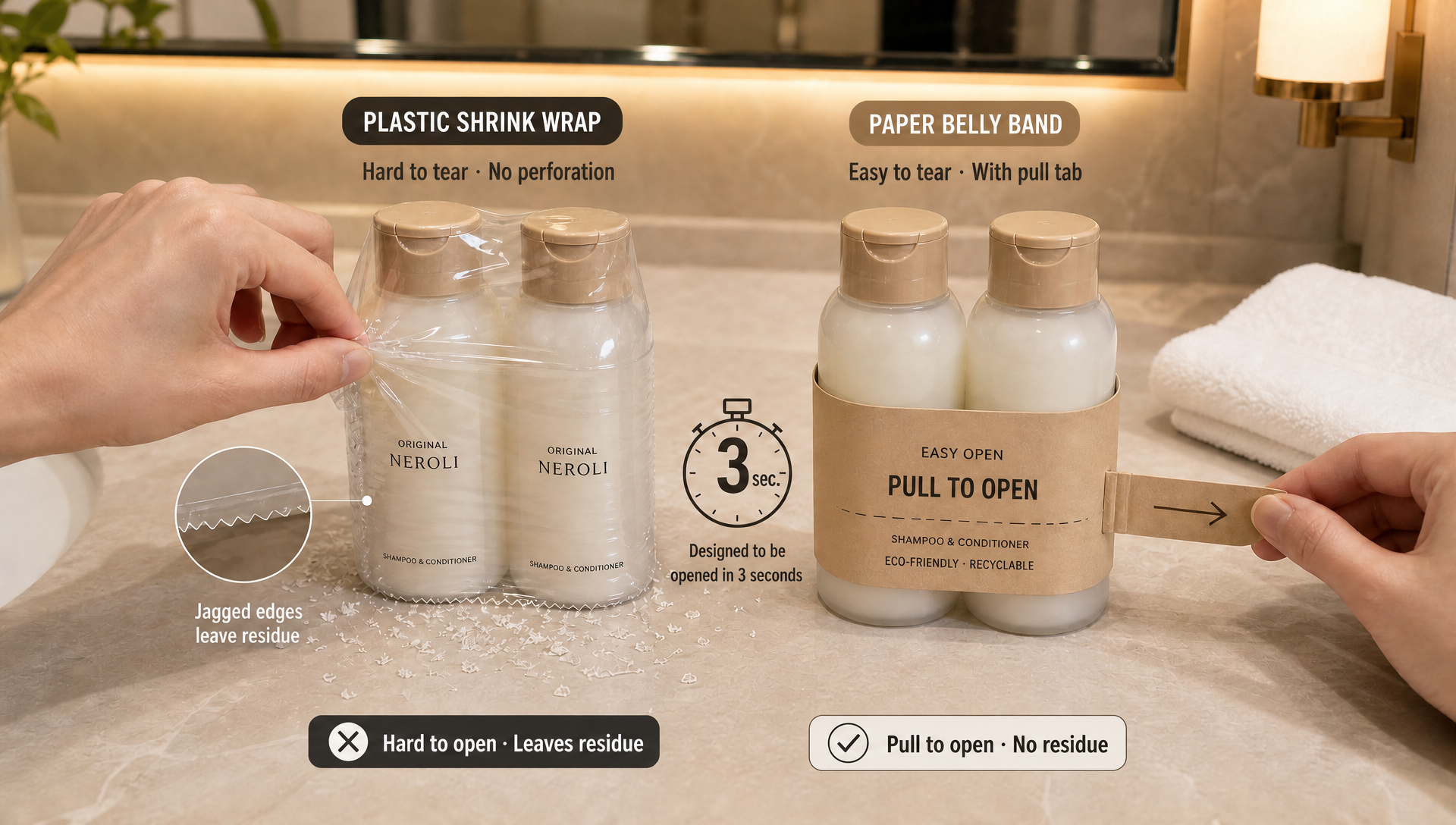
- Packaging Design: Move away from hard-to-open plastic wraps, using easy-to-open recycled paper or dissolvable materials. Labels should be clear, listing main ingredients, scent story, and even production methods.
- Visual & Tactile Appeal: The soap should have a warm color, refined shape (avoiding rough edges), a细腻 texture, rich lather, and no noticeable dry or slimy residue.
2. Usage Experience: Balancing Functionality and Sensory Pleasure
- Cleaning Efficacy: Effectively removes grime, rinses easily, and performs consistently in different water types (hard/soft).
- Skin Feel: Gentle pH, leaves skin non-tight. Offer differentiated options for different skin types (e.g., sensitive).
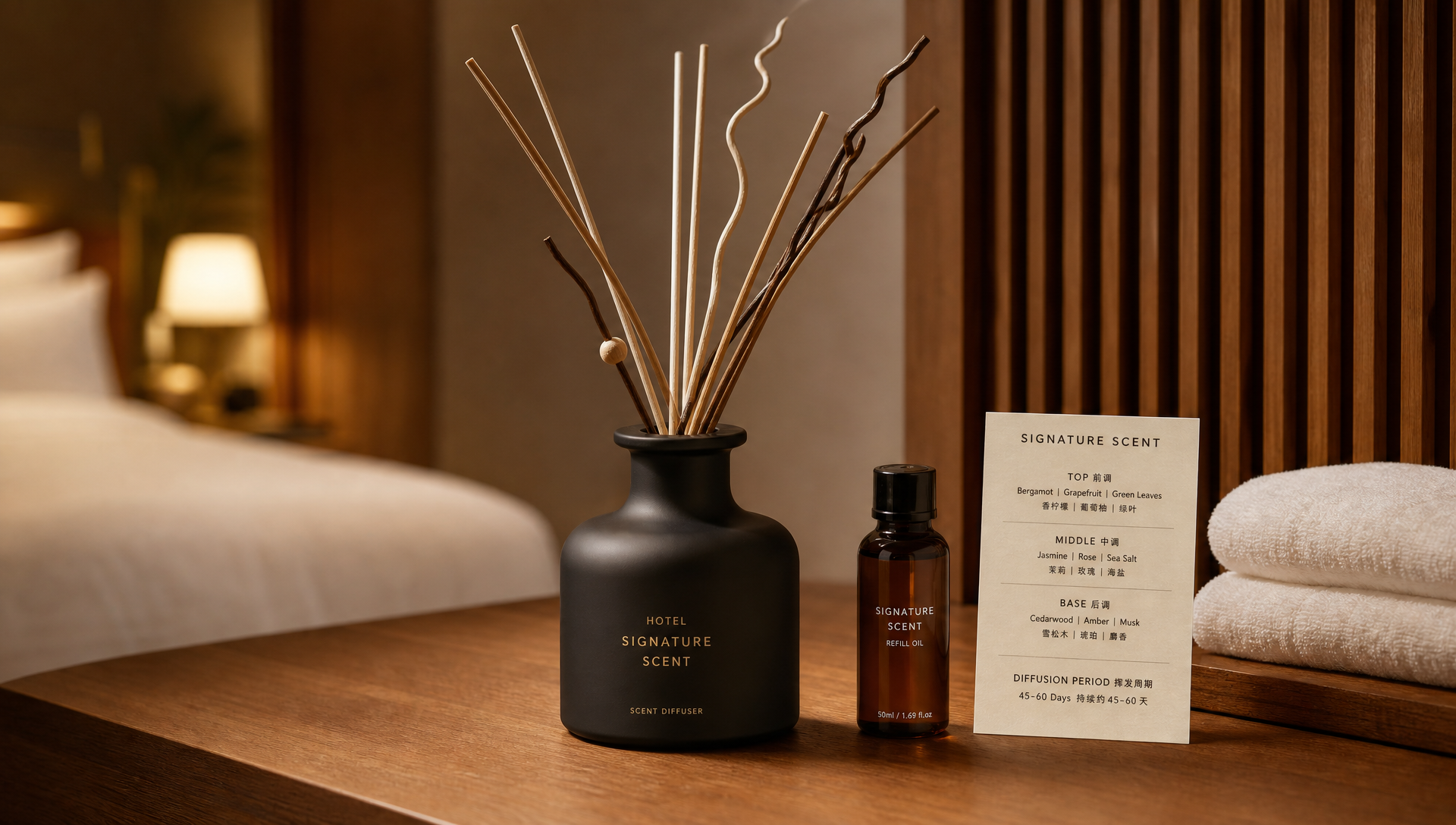
- Olfactory Narrative: Scents should deeply integrate with the hotel's overall ambiance and local culture. For instance, coastal hotels might use seaweed, mineral salt notes; mountain resorts could opt for cedar, vetiver. Scent becomes an invisible label of place memory.
3. Human-Centric Details: Addressing Often-Overlooked Needs
- Dual-Soap System: Clearly distinguish "hand soap" from "body soap," or label the dish accordingly, catering to hygiene habits.
- Spares & Child-Friendliness: Keep a spare new bar in the room. Family rooms can offer cute-shaped, non-irritating soap for children.
- Transparent Information: Use room cards or QR codes to tell the soap's origin story (e.g., source of natural ingredients, artisanal craftsmanship, partnered social enterprise), enhancing emotional connection.
III. Operations & Risk Management: Achieving Precise Balance Between Cost, Hygiene, and Sustainability
1. Cost & Inventory Management
- Full Lifecycle Cost Accounting: Calculate not just purchase price, but also replacement frequency, labor costs, packaging waste disposal fees, and potential brand value gains/losses.
- Standardization & Flexibility: Design upgraded versions for suites or loyalty members based on a standard offering, creating a product阶梯.
2. Hygiene & Safety Control
- Hygiene Standards: Ensure the soap itself is antibacterial, dishes are easy to clean and drain well. Large dispensers require regular professional sanitization, with maintenance records available.
- Allergen Management: Clearly label common allergens (e.g., nut oils, fragrances) and offer fragrance-free or hypoallergenic options.
3. Sustainability Implementation
- Waste Reduction Mechanisms: Implement a "soap-use continuation" program—if guests leave partially used soap in a designated spot, it is not replaced. Establish channels for remnant soap recycling.
- Supplier Ethics: Prioritize suppliers meeting environmental standards and practicing fair trade, incorporating this into the brand story.
IV. Revenue Layer: From "Silent Cost" to "Brand Value & Cross-Selling Engine"
An excellent soap strategy can be cleverly transformed into commercial advantages:
1. Direct Value Enhancement
- Supporting Price Premium: Unique toiletries strongly support premium pricing for high-end hotels, as guests are willing to pay for a complete, quality experience.
- Derivative Product Sales: Upgrade in-room soap to retail merchandise sold in boutique shops or online stores. Create travel sets, gift bundles, generating new revenue streams.
2. Indirect Brand Benefits
- Word-of-Mouth & Social Currency: Aesthetically pleasing, well-scented, story-rich soap is a hotspot for guest photos and sharing, driving free promotion.
- Loyalty Reinforcement: The unique bathing experience becomes a reason for guests to return. Specific scents can be designated as "member-exclusive memories."
3. Collaboration & Ecosystem Expansion
- Collaborate with local perfumers, artisans, organic farms to develop co-branded products, deepening the local identity and sharing customer bases.
Conclusion: From "Default Item" to "Defining Element"
The evolution of hotel soap is a silent revolution from a "backstage consumable" to a "frontstage experience ambassador." It is no longer just a daily item to wash away travel's dust, but a hotel's declaration of excellence in details: respect for skin, responsibility for the environment, and the prologue to a complete sensory journey for the guest.
The future winners will be those designers capable of elevating soap's mission from simple "cleansing" to a sustainable value network connecting brand, guest, and planet. When guests take away that unique scent and memory, they take not just the afterglow of a journey, but silent认同 of a brand philosophy.
The choice within this small square defines a hotel's vision and格局. It is time to re-examine this underestimated "brand canvas."
BACK
latest articles
 Oct 07, 2026How Can High-End SPA Essential Oil Formulation Thinking Be Adapted for Hotel Fragrance Products?
 Oct 06, 2026Those 3 Seconds When Guests Tear Open the Plastic Film on a Toiletry Set – Which Is More Annoying: Packaging That Won't Tear, or Packaging That Tears Too Easily?
 Sep 24, 2026The "Minimalist Toiletry" Philosophy of Nordic Hot Spring Spas: Why Is There Not a Single Chinese Character on the Bottle?
 Sep 22, 2026Same Formula, Different Packaging, 3x the Price? – The Mismatch Between Formulation and Tier Perception

Ask For A Quick Quote
If you are looking for more information on our services, or how we could potentially help, we would love to hear from you!