



What Fragrance Should a Ski Resort Lobby Use? – Pine, Fireplace Smoke, Hot Chocolate: What Guests Want to Smell Is "the Scent of Winter"
When guests return to the lobby from the slopes and take off their helmets, their first breath is a search for the scent of winter. Pine, fireplace smoke, hot chocolate – these three names almost exhaust all human imagination of winter indoors. Choose right, and the lobby becomes an extension of the ski experience. Choose wrong, and even the most expensive ski resort design falls short. Lobby fragrance in ski resorts is difficult not because of the scent itself, but because of the environment – low temperatures, cold winds, and alternating heating. The fragrance must hold its ground. This article starts from the guest's nose and clarifies scent type, base, and placement in one go.
Guest Experience: What Is the Guest's Nose Looking for at the Moment of Pushing the Door?
The lobby is the space smelled most frequently every day in a ski resort – and the space with the highest scent expectations. Guests already have a mental list of winter scents. The task of fragrance is not to create, but to awaken. The cost of failed awakening is direct: the lobby smells like any city hotel lobby, and the memory of the ski resort is missing a piece.
Pine and fir point to the snowy forest outside the window – the safest base note.
Fireplace smoke points to the cabin at dusk – the strongest emotion, and the easiest to fail.
Hot chocolate sweetness points to that cup of cocoa after snow – appealing, but screen time must be controlled.
Hotel Operations: Three Test Questions the Lobby Poses to Fragrance
The first is the door. The door of a ski lobby is almost never fully closed. Every open and close brings in a gust of cold wind that disperses low-positioned scent sources. The second is heating. Warm air continuously rises, carrying fragrance toward the ceiling – the experience zone below two metres often cannot smell it. The third is moisture. Water vapour brought in by wet snow gear and equipment mixes with sweat odour – the true source of lobby odours. Many solutions only focus on adding fragrance, not on removing odours. Operations must solve these three questions first, then discuss scent type. Reverse the order, and no scent will work.
Scent sources sink below one metre, avoiding the rising heat channel.
No scent sources on either side of the main door or in draft paths – use screens and plants to block wind.
Wet clothing storage and ski racks handled separately – odour sources do not enter the main lobby area.
Product Competitiveness: The Base Must Hold Up in Alternating Cold and Heat
No matter how good the scent type, if the base cannot hold up, it is empty talk. Standard alcohol bases evaporate stably in warm environments – but a ski lobby alternates between cold and heat. When the door opens and temperature drops sharply, evaporation breaks down, and the scent fluctuates between strong and weak. We set the main solution for ski scenarios as acetate fragrance – the evaporation curve of acidic carriers is flatter under temperature fluctuations, and scent returns quickly after a cold draft passes. More practically, there is odour neutralisation. The damp, stuffy smell brought in by wet snow gear is mildly alkaline – acidic volatiles neutralise it precisely. What guests smell is not fragrance covering odour, but a clean woody base note.
Product Competitiveness: Three Winter Scents, Each with Its Own Position
Layering matters more than intensity. The entrance area greets lightly. The main area establishes the tone. The lounge carries the emotion. The dining transition area finishes with sweetness. Four zones relay, and the scent of winter is complete.
Profitability: Letting the Scent of Winter Follow Guests Home
Lobby fragrance is the most cost-effective brand asset in a resort. It is smelled hundreds of times a day, yet does not occupy a guest room. Guests take home countless souvenirs, but only scent can evoke that snow week at any time. Place lobby-matched scent cards and solid balms on the souvenir shelf. Guests buy the scent of winter home – next time they smell it, they remember the cable car and the fireplace. More and more guests write about scent in reviews. One line saying "the lobby smelled wonderful" is more evocative than ten lines listing facilities.
The lobby is smelled hundreds of times a day – the lowest-cost brand exposure position.
Matching scent cards and balms on the souvenir shelf turn scent memory directly into retail.
When guests take photos and post, they write what they smell.
Frequently Asked Questions
Q: Can the three scent types be mixed together?
A: Not recommended. Pine as the base, smoke and sweetness released by zone and time. Relay is more refined than stacking. Mixing only makes them compete.
Q: Does acetate fragrance smell sour?
A: No. The acidic carrier is only responsible for stable evaporation and neutralising damp, stuffy odours. Once blended into woody scent types, what remains is a clean base note – no sourness.
Q: How often should lobby fragrance be replenished?
A: Areas with frequent door openings consume faster. Check reed diffuser liquid levels weekly; replace solid balms monthly. Increase inspection frequency during peak ski season.
Q: Will the fragrance clash with the dining area?
A: Yes, so zoning is necessary. Sweetness is only placed in the dining transition area as a bridge. The main lobby maintains a woody tone. Leave a buffer distance between the two zones.
Browse our Ski Resort Fragrance Wholesale Collection – from pine base scents to low-temperature stable diffusion solutions, and full private-label solutions, all covered in one stop. Our flexible production line supports small-batch orders with flexible MOQs.
latest articles
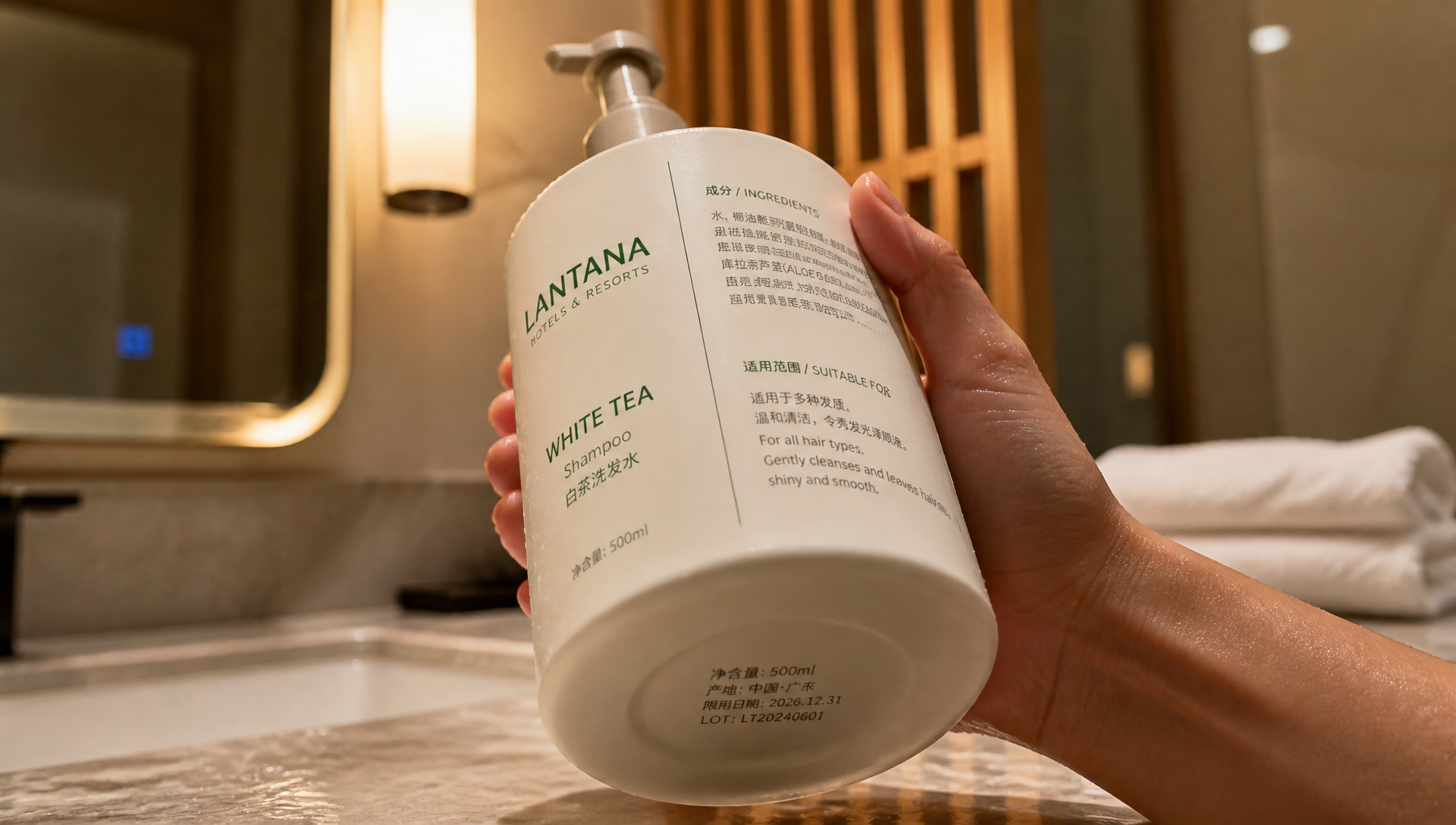
 Oct 09, 2026When Guests Pick Up the Large Toiletry Bottle to Check the Brand Name – Your Bottle Is Making a Silent Sale for You
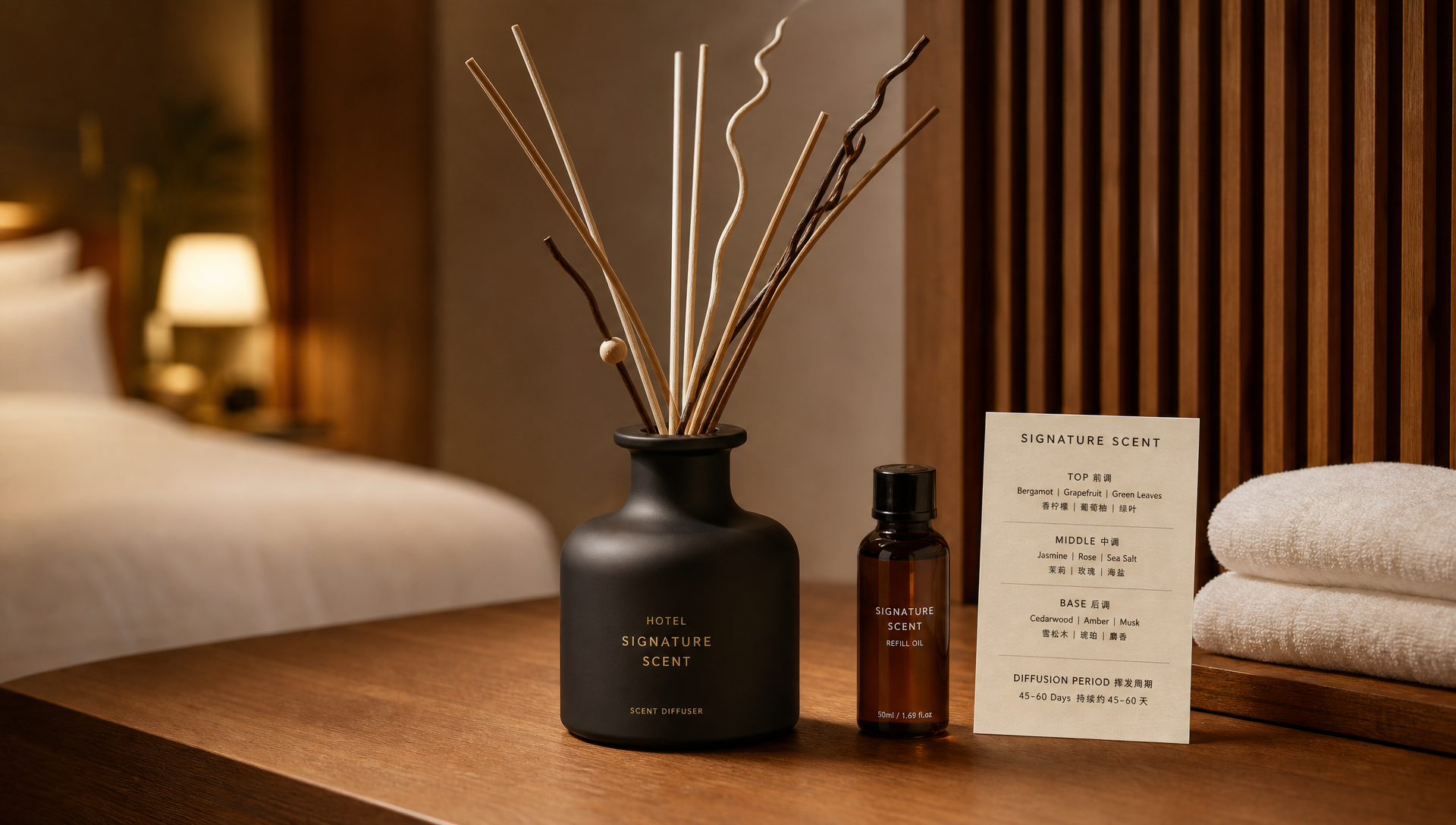
 Oct 07, 2026How Can High-End SPA Essential Oil Formulation Thinking Be Adapted for Hotel Fragrance Products?
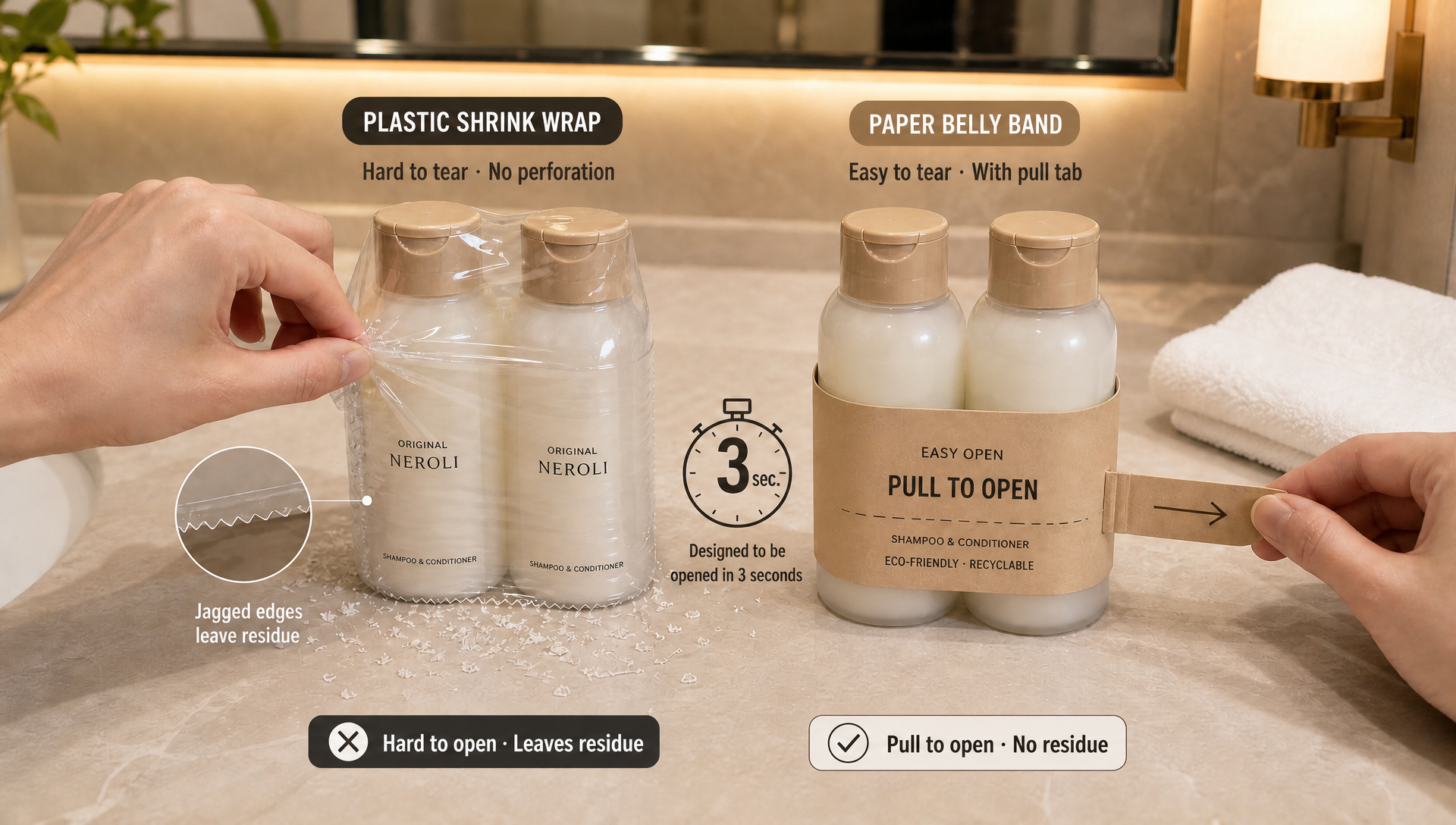
 Oct 06, 2026Those 3 Seconds When Guests Tear Open the Plastic Film on a Toiletry Set – Which Is More Annoying: Packaging That Won't Tear, or Packaging That Tears Too Easily?
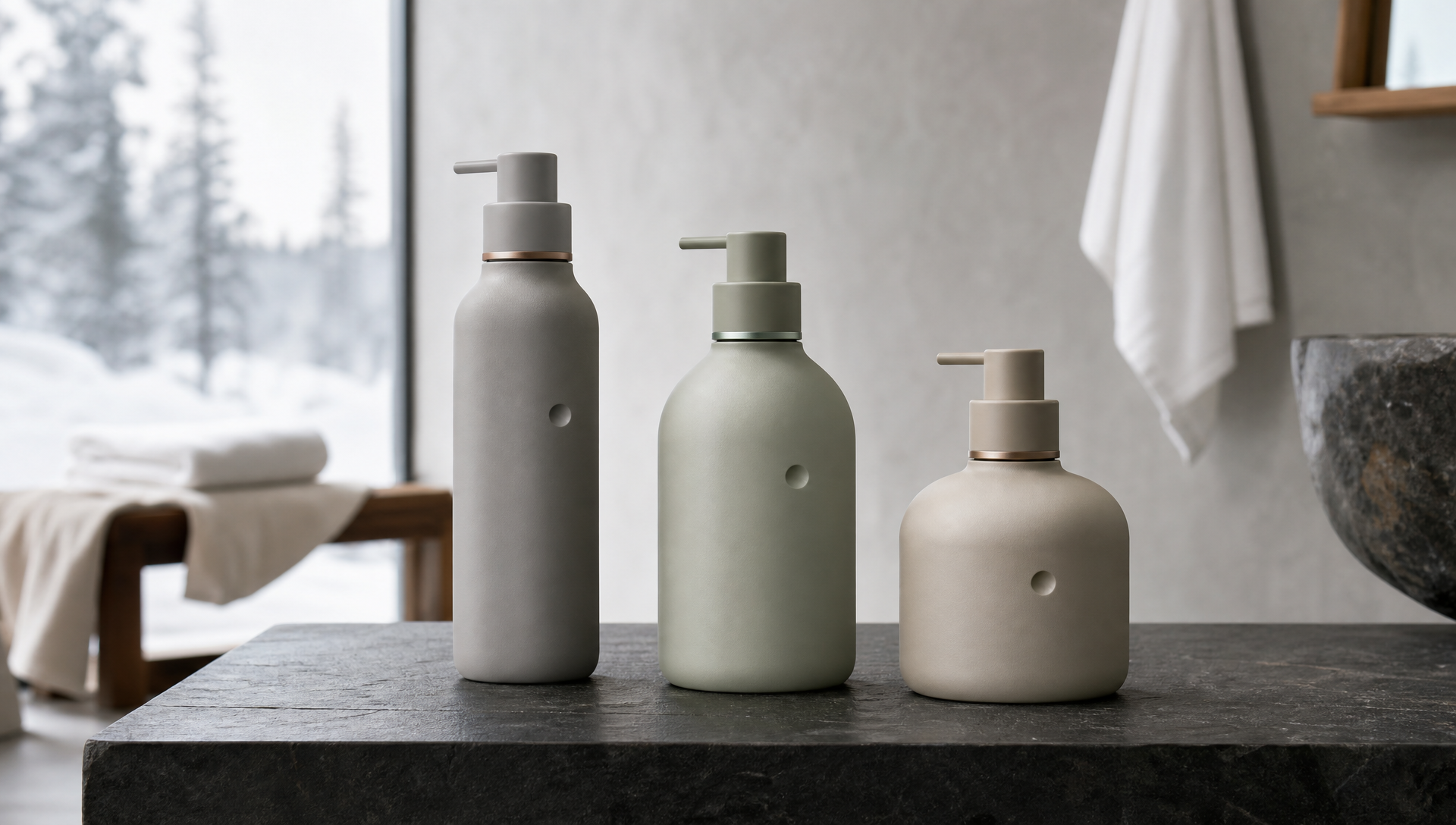
 Sep 24, 2026The "Minimalist Toiletry" Philosophy of Nordic Hot Spring Spas: Why Is There Not a Single Chinese Character on the Bottle?
Ask For A Quick Quote
If you are looking for more information on our services, or how we could potentially help, we would love to hear from you!